
Living Roof Benefits for Urban Areas
Urban spaces are evolving, and so are the ways we design buildings. One of the most exciting trends is the rise of living roofs. These green rooftops are more than just a pretty sight. They offer practical solutions to many challenges faced by cities today. If you’ve ever wondered how to make urban buildings more sustainable and efficient, living roofs might be the answer.
What Makes Living Roofs a Smart Choice?
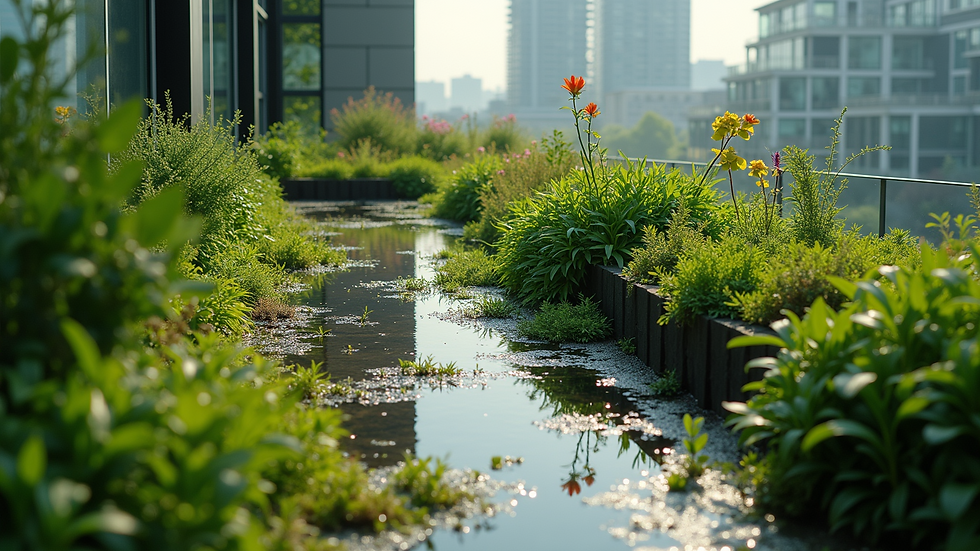
Living roofs, also known as green roofs, are layers of vegetation planted over a waterproof membrane on a building’s roof. They can be simple or complex, depending on the design and purpose. But why are they gaining so much attention?
Energy Efficiency: Living roofs act as natural insulators. They keep buildings cooler in summer and warmer in winter. This reduces the need for air conditioning and heating, cutting energy bills.
Stormwater Management: Cities often struggle with heavy rainfall and flooding. Green roofs absorb rainwater, slowing runoff and reducing pressure on drainage systems.
Air Quality Improvement: Plants on roofs filter pollutants and carbon dioxide from the air. This helps improve urban air quality, making cities healthier places to live and work.
Biodiversity Support: Green roofs create habitats for birds, bees, and insects. This is vital in urban areas where natural green spaces are limited.
These benefits make living roofs a smart investment for anyone involved in urban development.

Exploring the Living Roof Benefits in Detail
When considering green infrastructure, it’s important to understand the full scope of living roof benefits. They go beyond aesthetics and environmental impact.
Economic Advantages
Installing a living roof can increase a building’s value. It also extends the lifespan of the roof membrane by protecting it from UV rays and extreme temperatures. This means fewer repairs and replacements over time.
Health and Wellbeing
Green roofs provide a calming natural space in busy urban environments. They can reduce noise pollution by absorbing sound, creating quieter indoor spaces. Access to greenery has been shown to reduce stress and improve mental health.
Regulatory Incentives
Many cities offer incentives for green building practices. These can include tax breaks, grants, or expedited planning approvals. Incorporating a living roof can help meet sustainability targets and comply with environmental regulations.
Practical Recommendations
Choose native or drought-resistant plants to reduce maintenance.
Ensure proper waterproofing and drainage layers are installed.
Consider the building’s structural capacity before installation.
Work with specialists to design a roof that fits your specific needs.
By planning carefully, you can maximise the benefits and minimise potential issues.

How Living Roofs Transform Urban Environments
Living roofs are not just about individual buildings. They contribute to the wider urban ecosystem in several ways.
Reducing Urban Heat Island Effect
Cities tend to be hotter than surrounding rural areas due to concrete and asphalt absorbing heat. Green roofs help cool the air by providing shade and releasing moisture through evapotranspiration. This can lower local temperatures and improve comfort for residents.
Enhancing Water Quality
By filtering rainwater, living roofs reduce pollutants entering rivers and lakes. This helps protect aquatic ecosystems and supports cleaner water supplies.
Creating Green Corridors
When multiple buildings have living roofs, they form connected green spaces. These corridors allow wildlife to move safely through urban areas, supporting biodiversity.
Encouraging Sustainable Development
Living roofs demonstrate a commitment to sustainability. They inspire other green initiatives and raise awareness about environmental responsibility.

Getting Started with Living Roofs
If you’re considering adding a living roof to your project, here are some steps to guide you:
Assess Your Building: Check the roof’s load-bearing capacity and structural integrity.
Define Your Goals: Decide if you want a simple extensive roof or a more complex intensive roof garden.
Consult Experts: Work with green infrastructure specialists to design and install the roof.
Plan Maintenance: Establish a maintenance schedule to keep plants healthy and systems functioning.
Explore Funding Options: Look for grants or incentives that support green building projects.
By following these steps, you can ensure a successful living roof installation that delivers long-term benefits.
For more detailed information on living roof benefits, check out TIGA Ltd’s expert resources and services.
Embracing a Greener Future with Living Roofs
Living roofs are more than a trend - they are a vital part of creating sustainable urban spaces. They offer practical solutions to environmental challenges while enhancing building performance and occupant wellbeing. By investing in green roofs, we can transform cities into healthier, more resilient places.
Are you ready to take the next step towards greener infrastructure? Living roofs provide a unique opportunity to combine innovation with nature. Let’s build a future where urban development and the environment thrive together.


Comments