
Top Benefits of Green Roof Systems
When I first explored the idea of green roofs, I was amazed by how much they could transform a building. Not just in looks, but in function and sustainability. Green roofs are more than just a trend - they offer real, measurable benefits for commercial properties. If you’re thinking about upgrading your building or designing a new one, understanding these advantages can help you make a smart choice.
Let’s dive into the top green roof advantages and see why they are becoming essential in modern architecture.
The Environmental Benefits of Green Roofs
One of the biggest reasons to consider a green roof is its positive impact on the environment. Green roofs help reduce the urban heat island effect, which is when cities become significantly warmer than surrounding rural areas due to human activities and infrastructure.
By covering rooftops with plants, green roofs absorb sunlight and cool the air through evapotranspiration. This means less heat is reflected back into the atmosphere, helping to lower temperatures around your building.
Additionally, green roofs improve air quality. Plants filter pollutants and carbon dioxide, releasing oxygen in return. This can make a noticeable difference in busy urban areas where pollution levels are high.
Water management is another key environmental benefit. Green roofs absorb rainwater, reducing runoff and easing the burden on drainage systems. This helps prevent flooding and water pollution, especially during heavy rain.
Practical tip: If your property is in a city centre or an area prone to flooding, a green roof can be a smart investment to manage stormwater naturally.
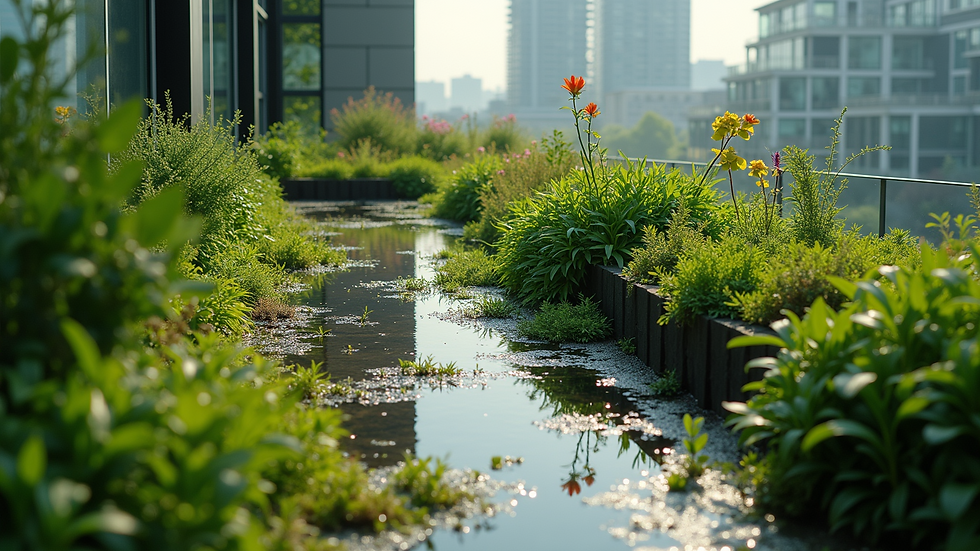
Exploring Green Roof Advantages for Energy Efficiency
Have you ever wondered how much energy your building wastes through the roof? A green roof acts as an extra layer of insulation, keeping your building cooler in summer and warmer in winter.
This means your heating and cooling systems don’t have to work as hard, which can lead to significant energy savings. Studies show that green roofs can reduce energy use for cooling by up to 75% in some cases.
For commercial buildings, this translates into lower utility bills and a smaller carbon footprint. Plus, the insulation benefits extend the life of your roof membrane by protecting it from extreme temperatures and UV radiation.
Actionable advice: When planning your green roof, choose plants that are suited to your local climate to maximise energy efficiency benefits.

What are the Four Types of Green Roof Systems?
Understanding the different types of green roofs can help you decide which one fits your project best. There are four main types:
Extensive Green Roofs
These are lightweight and have a shallow growing medium, usually less than 150mm deep. They require minimal maintenance and are ideal for large areas where you want low-cost greenery.
Intensive Green Roofs
These are more like traditional gardens with deeper soil (150mm to 600mm or more). They can support a wide variety of plants, including shrubs and small trees, but need regular maintenance.
Semi-Intensive Green Roofs
A hybrid between extensive and intensive, these roofs have moderate soil depth and support a mix of plants. They balance cost, maintenance, and biodiversity.
Biodiverse Green Roofs
Designed to support local wildlife, these roofs use native plants and aim to create habitats for insects and birds. They often mimic natural landscapes.
Each type has its own benefits and costs, so it’s important to match the system to your building’s structure, budget, and goals.
Pro tip: Consult with a specialist to assess your roof’s load capacity and maintenance capabilities before choosing a system.

Economic and Social Benefits of Green Roofs
Beyond environmental perks, green roofs offer economic advantages that can boost your property’s value. A well-designed green roof can increase the lifespan of your roof, reducing replacement costs. It also enhances the aesthetic appeal of your building, making it more attractive to tenants and clients.
Green roofs can contribute to better employee wellbeing by providing access to green spaces. Studies show that views of greenery and natural environments reduce stress and improve productivity.
Moreover, green roofs can help your building meet sustainability certifications like BREEAM or LEED, which are increasingly important in commercial real estate.
Consider this: Investing in a green roof can be a selling point for your property, attracting environmentally conscious businesses and customers.
How to Get Started with Green Roof Systems
If you’re ready to explore green roof systems, the first step is to work with experienced professionals who understand the technical and design aspects. Companies like TIGA Ltd specialise in innovative green infrastructure, offering custom solutions that fit your building’s needs.
Here are some steps to guide you:
Assessment: Evaluate your roof’s structure, drainage, and sunlight exposure.
Design: Choose the type of green roof and plant species that suit your goals.
Installation: Use quality materials and follow best practices to ensure durability.
Maintenance: Plan for regular upkeep to keep your green roof healthy and thriving.
Remember, a green roof is an investment in your building’s future. With the right approach, it can deliver lasting benefits for the environment, your budget, and the people who use your space.
Green roofs are more than just a pretty addition to your building. They offer a range of benefits that make them a smart choice for modern commercial properties. From environmental impact to energy savings and economic value, the advantages are clear. Why not take the next step and see how a green roof could transform your property?


Comments